The Unspoken Burden Of Constant Reliability
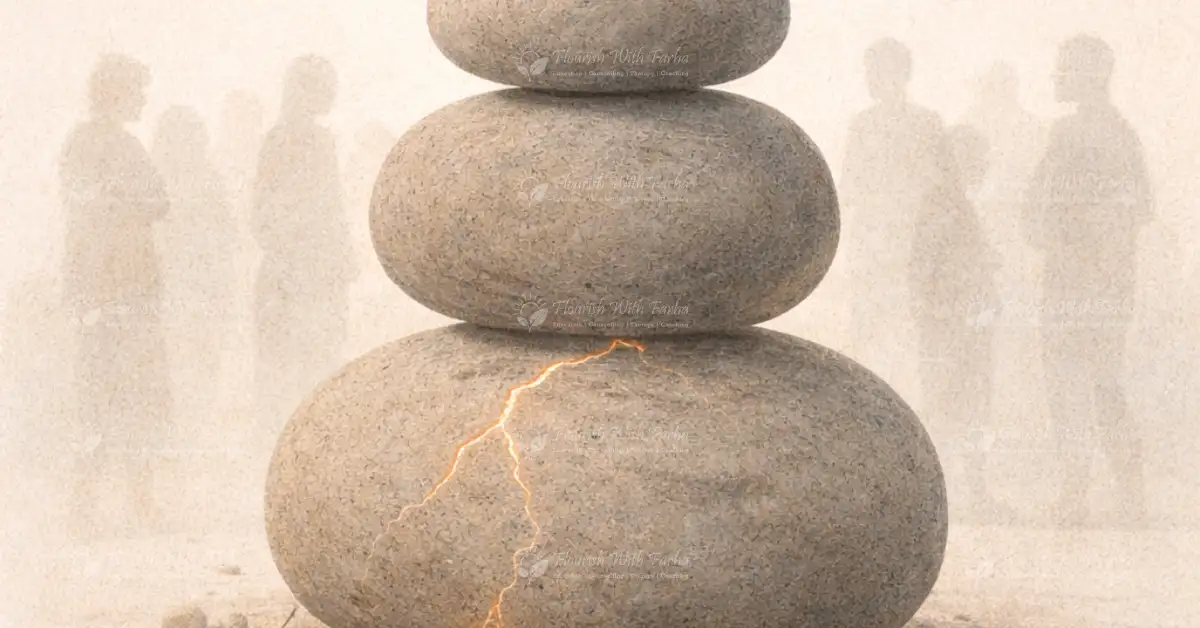
There exists a particular type of strength that stays silent. It doesn’t scream for attention. It doesn’t break down where people can see. It doesn’t reach out for support until the weight is crushing.
It’s the strength everyone assumes you possess. The type that positions you as the anchor others grab onto, depend on, and count on while seldom questioning how much burden you’re already holding.
This is the quiet cost of being relied on in every room.
How Strength Becomes An Unspoken Assignment
Nobody formally hands you this position. It simply emerges. You manage situations effectively. You rarely voice complaints. You pivot effortlessly. You remain steady while everyone else crumbles.
So others conclude that you’ll cope, you’ll grasp the situation, you’ll accommodate, and you won’t require much.
Strength gradually transforms from something admired into something demanded.
And demands are weighty burdens to shoulder.
When Support Quietly Bypasses You
Among the most aching truths of being “the strong one” is witnessing how frequently support passes right over you. Not from lack of compassion but from assumptions that you’re handling everything.
You become the individual everyone approaches with their struggles, their emotional downloads, their emergencies, their uncertainties to what not.
But when you’re drowning, everyone falls silent. This dynamic connects to what I explore in We Don’t Talk About Functional Burnout Enough, where being capable means your exhaustion becomes invisible, even to yourself. Not from malice but from learned patterns as you’ve shown everyone that you’ll survive.
The Emotional Loneliness No One Sees
Being strong doesn’t equal being emotionless. It typically means you experience everything just in isolation. You work through things solo. You steady yourself internally. You endure discomfort without anyone witnessing it.
And gradually, this breeds a particular form of loneliness:
Not lacking people around you but lacking someone to catch you.
You’re visible, yet invisible.
Strength Often Replaces Permission To Be Human
When you’re “the strong one,” specific feelings begin seeming inappropriate.
You pause before you:
Cry where others can witness
Confess you’re drowning
Admit you lack answers
Request comfort
Not from absence of need but because it seems like abandoning your assigned part. You’ve gained reliability by sacrificing expressiveness.
This same pattern shows up in relationships too, where showing your full self feels risky. I write about this in When Love Requires You To Shrink, It Isn’t Love, where being valued means editing parts of yourself away.
The Invisible Burnout That Follows
Strength without recovery transforms into emptiness.
You might continue operating:
Arrive at your job
Handle your duties
Keep up the facade
But inside, there’s exhaustion that rest cannot heal.
This isn’t theatrical burnout.
It’s silent decay. Sometimes this quiet exhaustion also leads us to choose silence over speaking up, not from avoidance but from preservation. When Silence Is Chosen, Not Avoided explores this distinction more deeply. The type that creates feelings of:
Emotional numbness
Separation from happiness
Frustration without clear cause
Weariness of being “competent”
Why Being Strong Becomes Hard To Unlearn
Releasing this position isn’t simple because strength evolved into:
Your core self
Your coping mechanism
Your shield
You discovered early that:
Unraveling wasn’t permitted
Somebody needed to remain intact
You couldn’t risk vulnerability
This belief that your needs are inconvenient often extends beyond family into all relationships. Being Kind Does Not Mean Being Available examines how we confuse strength with constant availability.
So even when assistance appears, accepting it seems foreign and often awkward.
Strength Is Not The Absence of Need
Here’s the reality that frequently goes unnoticed:
Being strong doesn’t indicate you lack need for support. It indicates you discovered how to operate in its absence. That ability preserved you. But it doesn’t need to characterize you permanently.
You are permitted to:
Be exhausted
Be uncertain
Be embraced
Be bolstered
..all without diminishing your value.
What Healthy Strength Actually Looks Like
Healthy strength is not perpetual endurance. It encompasses: Recognizing when to rest
Permitting yourself to depend on others
Voicing concerns before collapse
Allowing others to witness your vulnerabilities
Part of this is also recognizing when you’ve outgrown the role people assigned you. Why You Outgrow People Who Once Felt Like Home speaks to what happens when you start changing the dynamic.
Genuine strength grows when distributed. It doesn’t diminish when gentled.
A Gentle Question To Sit With
Ask yourself not frantically, just truthfully:
Where did I absorb the belief that I needed to be strong constantly?
What might occur if I permitted myself to have needs?
Who makes me feel safest when unguarded?
There are no correct responses. Only recognition.
When Awareness Needs Holding
Recognizing that you’ve been carrying everyone else while neglecting yourself can feel both clarifying and heavy. If you’re sitting with this awareness and feeling ready for a space where you don’t have to be strong, where your needs are welcome, and where rest is not something you earn, therapeutic support can help you navigate what comes next. Book a consultation to explore what support tailored to your specific situation might look like.
Final Thoughts
If you’ve carried the strong one label for years, this isn’t demanding you abandon your capability. It’s offering you permission to stop being isolated in your capability. You don’t need to qualify for care by collapsing. You don’t need to demonstrate exhaustion to warrant rest. You don’t need to shoulder everything simply because you’re able. Strength shouldn’t require sacrificing your tenderness.
If this resonated deeply, pause here. Let it land. You don’t need to do anything with this awareness today. Naming it is already a form of relief.
Until next time, Farha
You Might Also Find These Reflections Helpful:
- We Don’t Talk About Functional Burnout Enough – When you’re still functioning but something inside is shutting down
- When Love Requires You To Shrink, It Isn’t Love – On self-erasure in relationships
- When Silence Is Chosen, Not Avoided – The difference between withdrawal and self-respect
- Being Kind Does Not Mean Being Available – On boundaries and emotional access
- Why You Outgrow People Who Once Felt Like Home – On change, grief, and quiet endings
- When The Healer Needs Healing – My personal journey with burnout
Understanding the Burden of Being the Strong One
How do I know if I’m the “strong one” in my relationships?
You’re likely in this role if people regularly come to you with their problems but rarely ask how you’re doing, if you feel pressure to have answers or stay composed, if your own struggles feel inappropriate to share, or if support seems to flow only one direction.
Why do I feel guilty when I need support?
This guilt often comes from learning early that your value was tied to being reliable, helpful, or low maintenance. When being strong becomes your identity, needing support can feel like failing at who you’re supposed to be. This isn’t a character flaw; it’s conditioning.
Can I stop being the strong one without losing relationships?
Healthy relationships adapt when you start expressing needs and setting boundaries. Some people will adjust and meet you differently. Others may pull away because the dynamic was built on your availability rather than mutual care. Both outcomes give you important information about the relationship.
What does it mean to have “healthy strength”?
Healthy strength includes the ability to ask for help, to rest without guilt, to be vulnerable with safe people, and to recognize your limits. It’s strength that’s sustainable rather than depleting, grounded rather than performative.